Wednesday, February 26, 2014

Advisory Meeting #2

What is the most important factor in second language acquisition for a non-native speaker?

The most important factor in second language acquisition for a non-native speaker is motivation because if someone is not motivated they will never successfully master a language.

  • Without motivation one will not put time into acquiring a second language. If someone doesn't have a reason to  learn Finnish they will most likely not be able to master the language.

  • The most motivational things are love and money. If someone is told that if they learn Finnish they will be paid 1 million dollars they will most likely start learning Finnish.

  • If someone enjoys learning a language that is motivation in itself. If one finds the Finnish language beautiful then they will also want to speak it on their own accord.

Sources: 5,10

Motivation plays a key factor in whether or not a second language is successfully mastered. 


Wednesday, February 12, 2014

Independent Component 2 Approval

1. For my independent component two I think I will interview bilinguals and ask them about their language learning experience. Then I will create a report on those interviews and see how my answer compares to theirs. The interview questions will contain my essential question and background questions for the interviewee

2.  I will have recorded evidence of the interviews, transcripts of each interview, and a in depth report to post on my blog. I will also post the interviews on my blog as they occur.

3.  It will help me explore how different second language hypotheses compare to bilinguals actual second language acquisition experience. I can also help me either back up or discredit other answers to essential question.

Friday, February 7, 2014

Independent Component 1


L)I, Lara McConnaughey, affirm that I completed my independent component which represents 30 hours of work.
The books and articles that were assigned to me in the ENG 323 Language Acquisition class helped me complete the component. These include: How Languages are Learned, The Power of Reading, Cardenas, Krashen

I took ENG 323 Language Acquisition, a class taught at Cal-Poly by my mentor Karen Russikoff. Th course included class on MW from 4:00PM-5:50PM. The class had an independent essay, a group assigned report,  many hours of independent reading and several tests.

Here is a description of the class:

I) This class is an upper division course which means that one needs at least 70 units of college credit to take the course. 70 units is basically Junior standing in college. This class is taken by mostly English majors and is required in order to obtain an English major or minor. The youngest person in the class (besides me) was 10 years old. The class included a group report which I have attached on the left side of my blog. This report took over 30 hours of work to complete. I also learned the full IPA (International Phonetics Alphabet) for English and can write and read the IPA.
I got a B+ in the class which I am pretty proud of because as I said before it is an upper division class and I didn't take the prerequisite. 

A) My independent component gave me all of my foundation for this project. The entire class was based on what my topic is all about. When I first started doing research on this topic I was geared mostly toward the computational side of linguistics and how utilizing computers can help us better understand languages and learn languages. When I was taking this class it made me realize before I can study language acquisition using computers I must understand how languages are acquired in general. This class introduced me to second language acquisition theories, methods, and terminology. For example I learned about the critical period hypothesis and how it pertains to second language acquisition and pronunciation. Learning this actually gave me the foundation for my first answer. I believe without this class I wouldn't have been able to come up with a good essential question or first answer.

Thursday, February 6, 2014

Lesson 2 Reflection

Content:

1. Positive Statement
 I am really proud of my use of technology in my presentation and my activity. I feel like my activity was fun for everyone allowing them to use their sense of language to judge other speakers.

2. Questions to Consider
       P  
       I checked all the boxes for P consideration on the component contract. I really believe my answer one was well researched and well explained

3. What worked for you in your Lesson 2?
       I think my activity really worked and helped my fellow classmates understand my answer one fully. I also think that my answer one had a lot of information to support it and my examples were understandable.

4.   If you had a time machine, what would you have done differently to improve your Lesson 2?
      I think I would have talked about my answer longer. When I timed myself before the presentation I hit 15 minutes of talking. I tried again cutting things out and got 12. Not wanting to run out of time I rushed through two slides of my presentation that supported my answer. I would go back and tell myself to not worry about the time but instead talk more about those two pieces of evidence.

5. What do you think your answer #2 is going to be? 
     I think my answer to will be something that involves language families meaning that having a language that is related to yours and that has similar syntax and lexicon can help your acquisition in that language.

Sunday, February 2, 2014

January blog

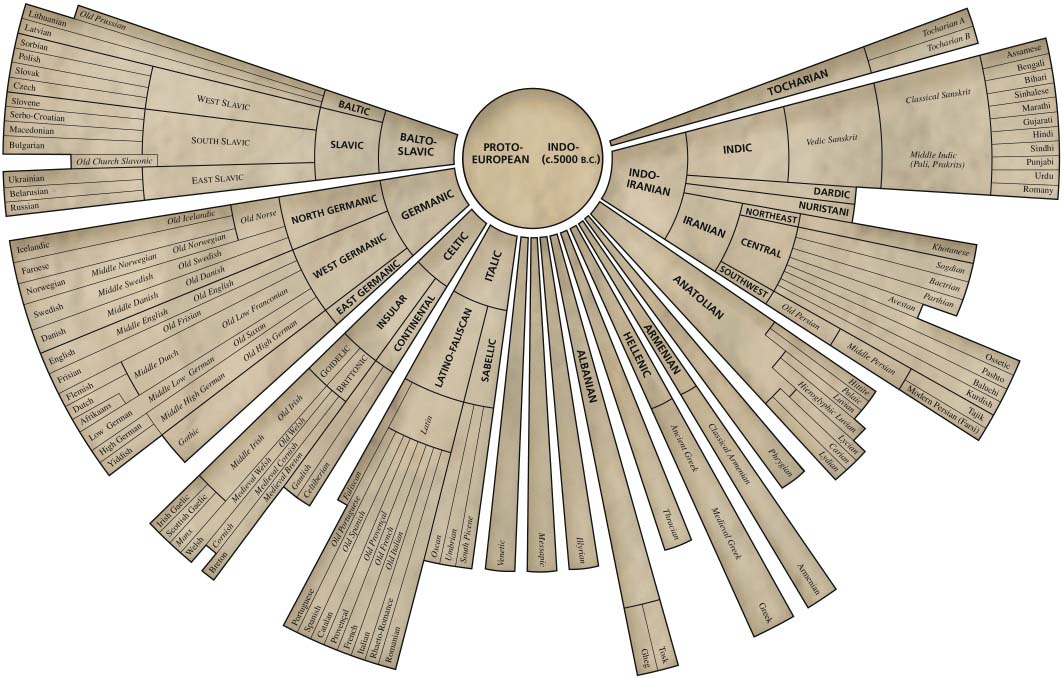
As we start second semester I have found that my mentor will not be on campus as often as she was last semester so I have decided to also try mentor ship with my old German teacher. She currently teaches for the German department at Claremont High School and also at my Saturday German School. I will be looking at lesson plans and helping her with grading and other such things in class. This membership will allow me to observe teens trying to learn a second language after their critical period. It will also allow me to observe English speakers learning a language that has the same Germanic roots as their native tongue.

Thursday, January 16, 2014

Third Interview Questions

1. What is the most important factor in second language acquisition?
2. Why is it that the optimal age to start learning a language is round 7?
3. What are two other factors that re important to L2 acquisition?
4. How are all these factors related to each other?
5. How can your L1 help your L2 acquisition?
6. How would you define successful L2 acquisition?
7. Which if any computer language program is the best for L2 acquisition?
8. How can motivation come into play and help one acquire a L2?
9. How do you think polyglots are able to maintain their language abilities?
10. Do you believe intelligence is a key factor in L2 acquisition?

Thursday, January 9, 2014

Mentorship 10 hours check

1.   Where are you doing your mentorship?
I am doing my mentorship up on Cal-Poly's campus.
2.   Who is your contact?

My contact is Dr. Russikoff a professor of English up at Cal-Poly.
3.   How many total hours have you done 

I have done roughly ten hours of mentorship during the first semester of this year.  
4.   Summarize the 10 hours of service you did.
In these ten hours I have basically help grade papers of ESL students that my mentor was teaching at the time. I have also done various projects in her class and come to her office hours if I have had any questions or just to discuss the topics that I learned in class.